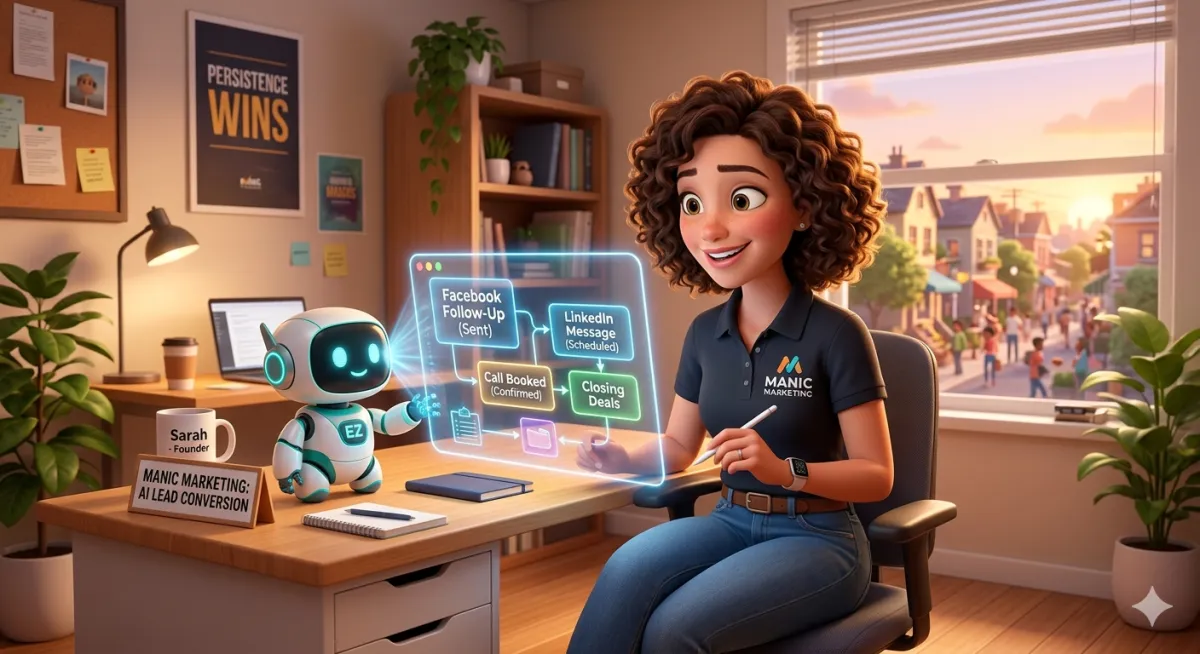
Why Follow-Up Is The Real Sales Skill
Most businesses do not lose sales because the lead was bad.
They lose sales because the follow-up was weak.
The money is usually not in the first message.
It is in what happens after the lead shows interest.
That is where real sales skill shows up.
Not in chasing.
Not in begging.
Not in sending “just checking in” five times until everyone involved needs a nap.
Real follow-up is strategic.
It builds trust.
It keeps momentum alive.
It helps people make a decision.
Why Follow-Up Matters So Much
Most buyers do not act the first time they hear from you.
They get busy.
They compare options.
They need more information.
They forget.
They hesitate.
They wait for timing to make sense.
That does not mean they are not interested.
It means they are human.
Follow-up keeps the conversation moving when life gets in the way.
If your business stops after one message, one call, or one email, you are leaving money in the pipeline.
Leads Do Not Usually Die.
They Get Neglected.
A lot of businesses blame the lead.
“They were not serious.”
“They ghosted.”
“They were just price shopping.”
Sometimes that is true.
But often, the business simply failed to follow up well.
The lead asked a question.
Nobody responded fast enough.
The lead booked a call.
Nobody reminded them properly.
The lead said they needed time.
Nobody stayed in touch.
The lead went quiet.
Nobody re-engaged them.
That is not a lead problem.
That is a follow-up problem.
Follow-Up Builds Trust
Trust is not built in one touch.
It is built through consistency.
When someone hears from you in a clear, helpful, and timely way, they start to trust that your business is organized.
That matters.
Especially when people are deciding where to spend money.
A strong follow-up says:
“We are paying attention.”
“We understand what you need.”
“We can help you take the next step.”
A weak follow-up says:
“We might get back to you eventually.”
Not exactly a winning sales pitch.
Speed Matters
Fast follow-up gives you an advantage.
When a lead fills out a form, sends a message, or books a call, their interest is highest in that moment.
Wait too long, and momentum fades.
They call someone else.
They get distracted.
They lose urgency.
They forget why they cared.
Fast response keeps the lead warm.
That does not mean your team has to live glued to a phone.
It means your business needs systems that respond quickly.
AI follow-up can help here.
It can send instant texts, emails, reminders, booking links, and qualifying questions.
That keeps the conversation alive before the opportunity goes cold.
Good Follow-Up Is Not Annoying
Bad follow-up is annoying.
Good follow-up is useful.
There is a difference.
Bad follow-up says:
“Just checking in.”
Good follow-up says:
“Wanted to follow up on your request about getting more booked appointments.
Are you still looking for help with that?”
Bad follow-up is vague.
Good follow-up reminds the lead why they reached out.
Bad follow-up asks for attention.
Good follow-up adds value.
That is why the wording matters.
Follow-Up Should Match The Lead
Not every lead should get the same message.
A new lead needs clarity.
A warm lead needs a reason to act.
A no-show needs a rebooking path.
An old lead needs reactivation.
A past customer needs retention.
A high-intent lead needs fast human support.
This is where smart automation helps.
Instead of blasting everyone with the same message, your system should respond based on what the person did.
Did they click the booking link?
Did they miss the call?
Did they ask for pricing?
Did they stop replying?
Did they book?
Did they buy?
Each action should trigger the right next step.
That is smart follow-up.
The Best Sales Teams Follow A System
Great follow-up is not random.
It is planned.
Your business should know what happens after every lead action.
For example:
A new lead comes in.
They get an instant text and email.
If they do not reply, they get a reminder.
If they click but do not book, they get a booking follow-up.
If they book, they get confirmation and reminders.
If they no-show, they get a rebooking message.
If they buy, they get onboarding and retention follow-up.
That is how leads move through a pipeline.
Without a system, follow-up depends on memory.
And memory is a terrible CRM.
Follow-Up Helps You Handle Objections
Many leads do not say no.
They ask questions.
They hesitate.
They raise concerns.
They need clarity.
Follow-up gives you the chance to address those moments.
Common objections include:
“I need to think about it.”
“What does this cost?”
“How does it work?”
“Is this right for my business?”
“We tried something like this before.”
“Can you send more information?”
A good follow-up does not ignore those concerns.
It responds to them directly.
That is where sales happen.
Not by forcing people.
By helping them make sense of the decision.
Follow-Up Turns Interest Into Pipeline
A lead is not revenue.
A conversation is not revenue.
A booked call is not revenue.
Revenue happens when interest keeps moving.
That is why pipeline follow-up matters.
You need to track where every lead is:
New lead.
Contacted.
Engaged.
Qualified.
Booked.
No-show.
Proposal sent.
Closed.
Lost.
Reactivation.
Each stage needs a clear next step.
If leads sit still, deals stall.
Follow-up keeps the pipeline moving.
AI Makes Follow-Up Easier
Most businesses know they should follow up more.
They just do not do it consistently.
AI helps fix that.
It can help:
Respond instantly.
Write follow-up messages.
Qualify leads.
Send reminders.
Recover no-shows.
Reactivate old leads.
Segment contacts.
Route hot leads to the team.
Keep the pipeline updated.
AI does not replace real sales skill.
It supports it.
The best setup is simple.
Let AI handle the repetitive touches.
Let humans handle the high-value conversations.
That gives you speed and judgment.
You need both.
What Strong Follow-Up Looks Like
Strong follow-up is clear.
Timely.
Relevant.
Easy to respond to.
Focused on one next step.
It does not sound desperate.
It does not guilt the lead.
It does not ramble.
It simply moves the conversation forward.
Example:
“Hey Sarah, quick follow-up.
You mentioned you wanted help getting more booked appointments from your leads.
Is that still something you want to fix this month?”
That works because it is specific.
It reminds the lead of their original goal.
It invites a simple response.
No fluff required.
How Manic Marketing Helps
Manic Marketing helps business owners use AI marketing tools to generate more leads, book more appointments, and close more sales.
A big part of that is follow-up.
Because getting leads is only half the job.
The real money comes from what happens after someone raises their hand.
Manic Marketing helps businesses build AI-powered follow-up systems, CRM workflows, warm email campaigns, and pipeline automations that keep opportunities moving.
The goal is simple.
Less lead leakage.
More conversations.
More booked appointments.
More closed sales.
Final Takeaway
Follow-up is not a small sales task.
It is the sales skill.
It is how trust gets built.
It is how objections get handled.
It is how leads move through the pipeline.
It is how interested people become paying customers.
If your business is generating leads but not closing enough of them, do not rush to blame the ads.
Look at the follow-up.
That is usually where the money is leaking.
Want Help Building A Follow-Up System That Closes More Deals?
Book a complimentary strategy call with the Manic Marketing team here:
https://manicmarketing.com/strategy-session
When you book, you will also get access to a 100 percent free AI Content Marketing tool.
It connects to your business’s social media profiles.
It uses AI to create content.
It can auto-post across up to 8 different platforms.
If your leads are going cold before they turn into sales, now is the time to fix the follow-up.
